


Best Free Handwriting Generator for Students: Notes, Study Guides & Worksheets
A handwriting generator for students isn’t about disguising typed work as something it isn’t. It’s a formatting tool — turning your own typed notes into a neat, handwritten-style page for revision, sharing, or printing.
This guide covers the legitimate ways students, teachers, and parents actually use a handwriting generator: study guides, revision notes, classroom worksheets, and support for students who find handwriting physically difficult.
Why Students Use a Handwriting Generator for Notes and Study Guides
Revision notes work better in a handwritten format for a lot of students — it’s simply easier to scan and recall than dense typed paragraphs. But rewriting an entire set of notes by hand takes hours.
A handwriting generator for notes solves that: type once, convert to a neat handwritten-style page on our free tool, and spend your actual study time reviewing the content instead of copying it out by hand.
Handwriting Generator for Students: Legitimate Everyday Uses
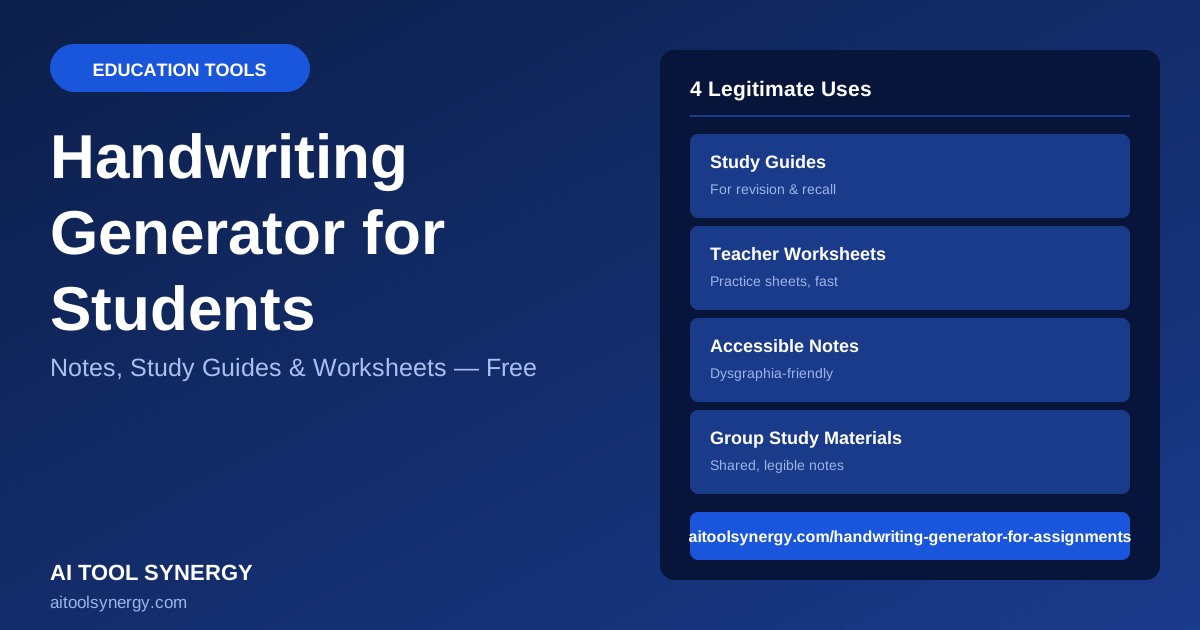
A handwriting generator for students covers more ground than most people expect:
- Study guides for revision — convert typed summaries into a handwritten-style format that’s easier to review.
- Personal note formatting — turn messy typed notes into something neat and consistent.
- Flashcard and quiz prep — handwritten-style flashcards for active recall practice.
- Group study materials — shared, legible notes for a study group, without one person’s handwriting being the bottleneck.
Handwriting Generator for Study Guides: Creating Notes for Revision
To build a study guide with a handwriting generator for students, start with your typed summary — keep it concise, since dense paragraphs don’t convert into easy-to-scan handwritten pages well.
Use headings for topics, bold or marker styling for key terms, and a clean, readable font rather than an overly decorative one. The goal is a page you’ll actually want to review, not just one that looks handwritten.
Handwriting Generator for Teachers: Worksheets and Practice Sheets
Teachers use a handwriting generator for worksheets too — building handwriting practice sheets, fill-in-the-blank exercises, or example pages with our free tool instead of writing each one out by hand. Resources like Teachers Pay Teachers pair well for finding existing worksheet templates to adapt.
A consistent font across a full set of worksheets also looks more professional than mixing handwritten and printed materials in the same packet.
Handwriting Generator for Students With Dysgraphia or Handwriting Difficulty
Some students find physical handwriting genuinely difficult due to dysgraphia or other motor or learning differences. Understood.org, a nonprofit resource for learning differences, notes that handwriting difficulty is unrelated to intelligence or effort — it’s a distinct skill that some students need extra support with.
For these students, a handwriting generator for students can produce a neat, legible handwritten-style page from their own typed content — useful where handwritten formatting is preferred or required, without the physical strain of handwriting an entire page.
If a student has a formal accommodation plan, follow that plan and loop in teachers or specialists — a formatting tool like this complements proper support, it doesn’t replace it. The Learning Disabilities Association of America is a good starting point for more on appropriate accommodations.
Step-by-Step: Turn Typed Notes Into a Study Guide
Here’s the full workflow for using a handwriting generator for students to build a usable study guide:
-
1Write or paste your summaryKeep it concise — a study guide works best when it’s scannable, not dense.
-
2Mark headings and key termsUse heading and bold/marker styles to make important points stand out.
-
3Pick a clean, readable fontSave decorative cursive fonts for personal notes, not dense study content.
-
4Generate and downloadClean PNG for digital review, or print it out for offline studying.
Handwriting Generator for Kids — What to Look For
For younger students, a handwriting generator for kids should prioritize clarity over decorative style — simple, well-spaced lettering is easier for early readers to follow than ornate cursive. Education.com offers grade-level handwriting practice guidance worth pairing with any generated worksheet.
Paper style matters too: wide-ruled or grid paper options on our free generator help younger students associate the output with the kind of paper they actually practice on at school.
Best Practices for Study Guides You’ll Actually Use
- Keep it short. A dense, multi-page wall of text defeats the purpose of a quick-review study guide.
- Use visual hierarchy. Headings and emphasis help your eye find key information fast during review.
- Match font to purpose. Neat and legible for study content, decorative is fine for personal notes.
- Print or save in a format you’ll actually revisit. A study guide only helps if you look at it again.
Generate one page per topic rather than cramming an entire subject onto one page — shorter, focused pages are easier to review in short study sessions.
Common Mistakes When Making Handwritten Study Notes
- Converting an entire textbook chapter at once. Summarize first — a handwriting generator formats your notes, it doesn’t summarize content for you.
- Using one font for everything. Mix heading and body styles so key terms actually stand out.
- Skipping a readability check. Always preview before printing a full set of study materials or worksheets.
- Choosing decorative fonts for dense content. Save ornate cursive for short notes, not full study guides.
What This Tool Is Not For
A handwriting generator formats your own typed content — it doesn’t write that content for you, and it isn’t a way to present someone else’s work as your own. Use it for notes, study guides, worksheets, and formatting your own writing, not to misrepresent authorship of graded work.