Free Health Tools & Calculators | AI Tool Synergy
Free health calculators and science-backed guides for body composition, caffeine management, sleep optimisation and everyday wellness. Built for health-conscious individuals, fitness enthusiasts, expats and professionals worldwide — no signup required, instant results on any device.
🛠️ Free Health Tools
2 tools — no signupBMI Calculator
Calculate your Body Mass Index instantly. Supports metric and imperial units, shows your WHO category, and explains what your number actually means for your health.
Use Free ToolCaffeine Half-Life Calculator
Find your personal caffeine cutoff time. Enter your intake amount, time consumed and bedtime — instantly see when caffeine drops below 25% in your system for better sleep.
Use Free ToolLatest in Health
🏥 Free Health Tools & Guides | AI Tool Synergy
Our free health tools are built for real health decisions — not just abstract numbers. Whether you are checking your BMI before a doctor's appointment, calculating when your afternoon coffee will wear off before bedtime, or researching what your body metrics actually mean — our free health calculators give you accurate, science-backed results in seconds with no signup required.
Every free health tool on AI Tool Synergy is built on clinically validated formulas and authoritative data sources. Our BMI calculator uses the WHO standard formula and classification system. Our caffeine half-life calculator is based on peer-reviewed pharmacokinetics research and accounts for individual metabolic variation. You can trust the results.
⚖️ BMI Calculator | Body Mass Index Explained
Our free BMI calculator gives you your Body Mass Index result instantly in both metric and imperial, shows which WHO category your result falls in, and takes under 30 seconds to use. No account needed — enter your height and weight and your result appears immediately.
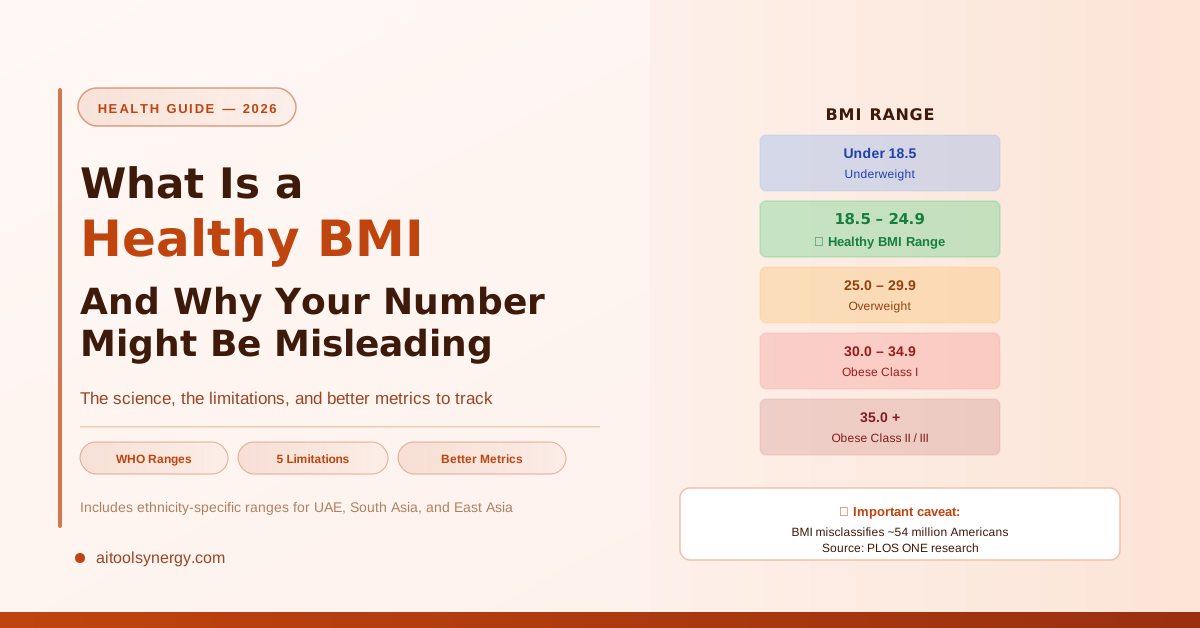
BMI (Body Mass Index) is calculated by dividing your weight in kilograms by your height in metres squared. The World Health Organization classifies adult BMI into four main categories: underweight (below 18.5), healthy weight (18.5–24.9), overweight (25–29.9), and obese (30 and above). However, BMI has important limitations — it cannot distinguish between muscle and fat, and different ethnic groups have different risk thresholds. Our BMI guide explains the full picture.
- Instant BMI calculation in both metric (kg/cm) and imperial (lbs/ft)
- WHO category classification — underweight, healthy, overweight, obese
- Works for all adults aged 20 and over
- No account required — results calculated entirely in your browser
- Free forever — no ads, no paywalls, no signup
According to the World Health Organization, BMI is the most widely used screening tool for weight-related health risk worldwide — used in clinical settings across more than 190 countries. Understanding your BMI number, and what it does and doesn't tell you, is one of the most practical things you can do for your health awareness.
⚠️ Important: BMI is a screening tool, not a medical diagnosis. Research published in PLOS ONE found BMI misclassifies the metabolic health of approximately 54 million Americans. Use it as a starting point — not a final verdict. Read our complete BMI guide to understand what your number actually means.
☕ Caffeine Half-Life Calculator | Find Your Perfect Cutoff Time
Our free caffeine half-life calculator tells you exactly when caffeine will stop affecting your sleep — personalised to your specific intake, the time you drank it, and your target bedtime. Stop guessing when to have your last coffee. Get a precise cutoff time in seconds.
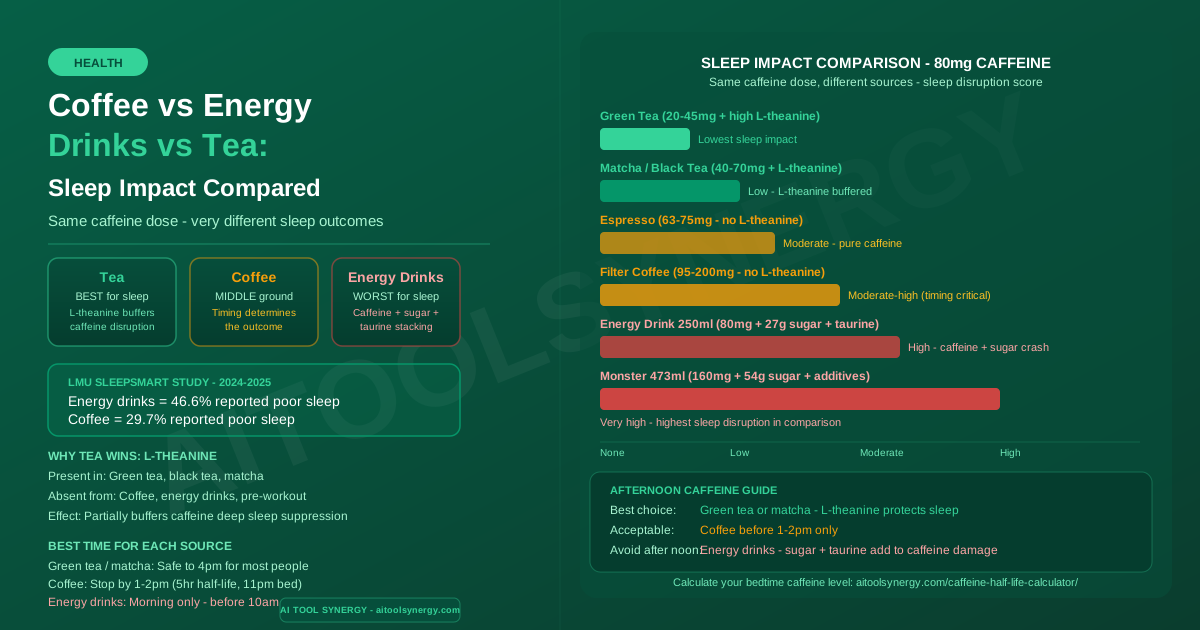
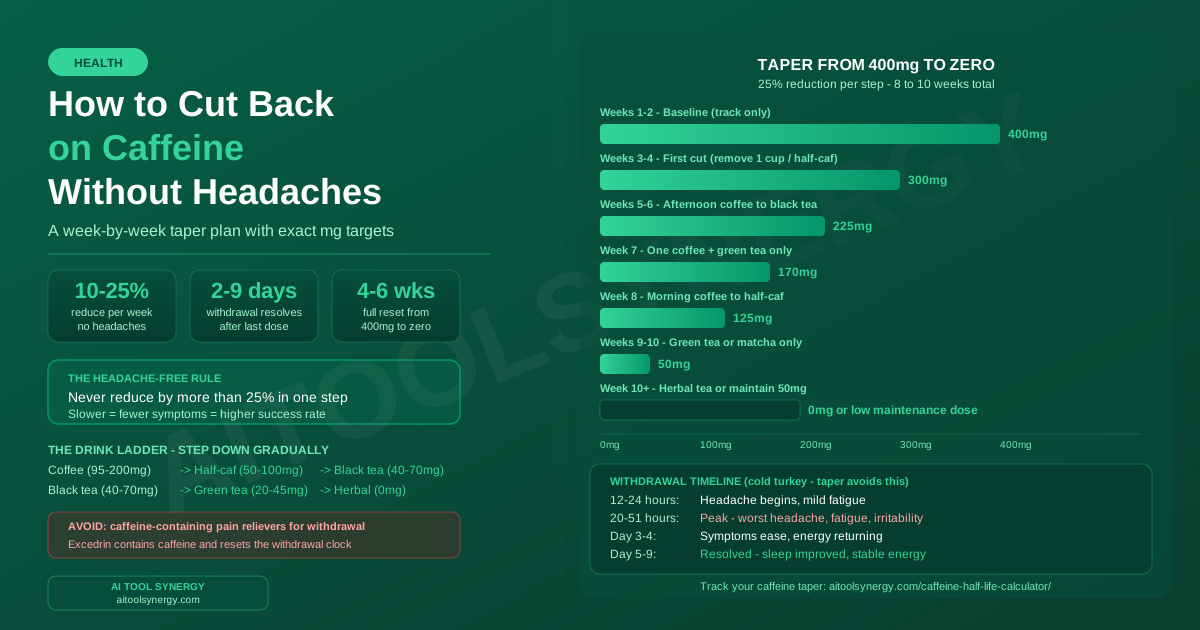
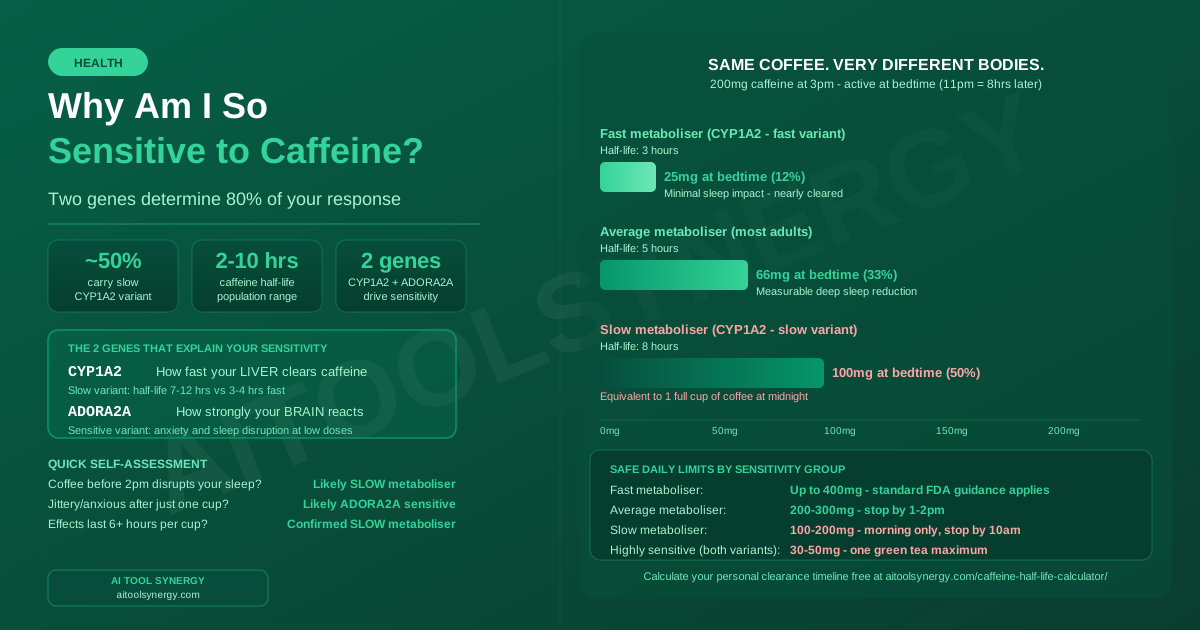
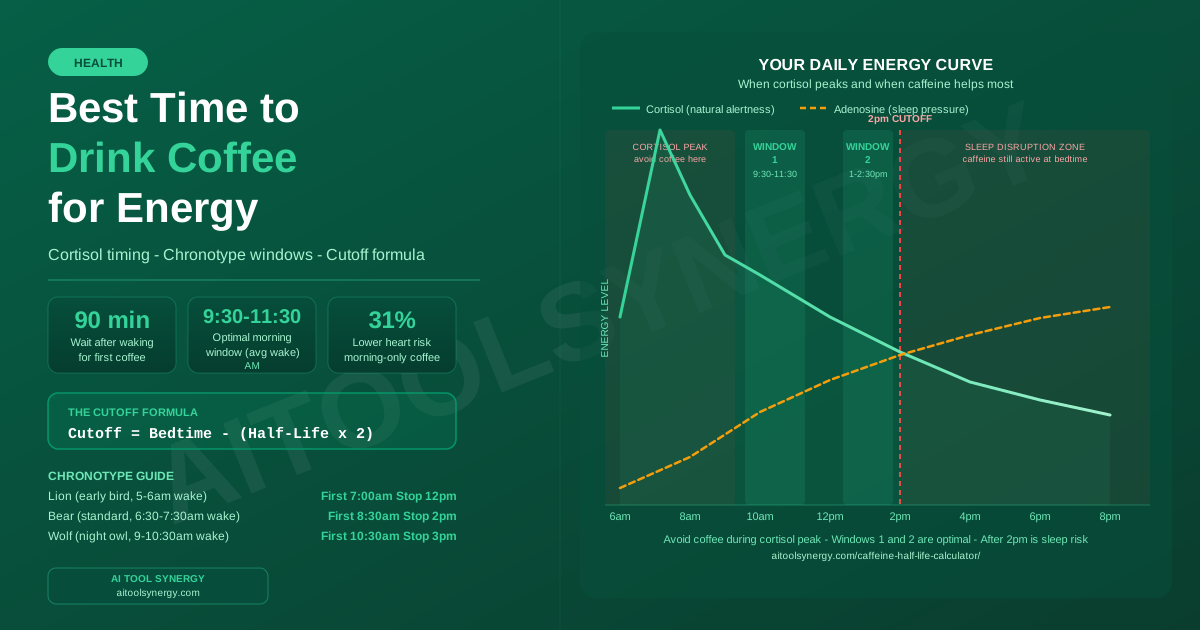
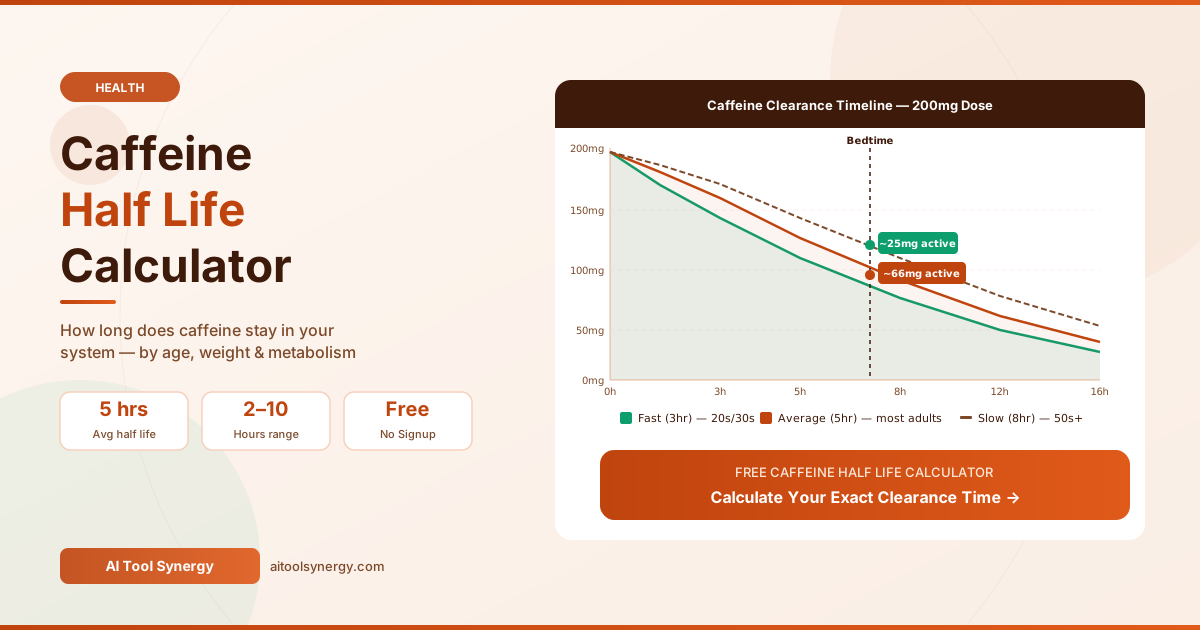
Caffeine has an average half-life of 5 hours in healthy adults — meaning that 5 hours after drinking a 200mg coffee, approximately 100mg is still active in your system. At 10 hours, around 50mg remains. Research published in the Journal of Sleep Research found that caffeine consumed even 6 hours before bedtime reduces total sleep time by 41 minutes and sleep efficiency by 7%. Most people significantly underestimate how long caffeine stays active.
- Enter your caffeine intake (mg or by drink type) and consumption time
- Set your target bedtime to get your personal cutoff recommendation
- See a timeline showing caffeine levels dropping hour by hour
- Accounts for average and slow metabolizer profiles
- Supports all caffeine sources — coffee, tea, matcha, energy drinks
According to the Centers for Disease Control and Prevention (CDC), 1 in 3 American adults don't get enough sleep — and caffeine timing is one of the most common and correctable sleep disruptors. Our caffeine calculator is used by professionals, students, athletes, and shift workers who want to optimise their sleep quality without giving up coffee.
The half-life varies significantly between individuals based on genetics (CYP1A2 enzyme), age, pregnancy status, and medications. Our calculator accounts for these variables to give you a more personalised estimate than any fixed "stop caffeine at 2pm" rule. Read our full guide on how caffeine affects sleep for the complete science.
❓ Free Health Tools | Frequently Asked Questions